
Intellectual Property
Hot selling product recommendations
View More




















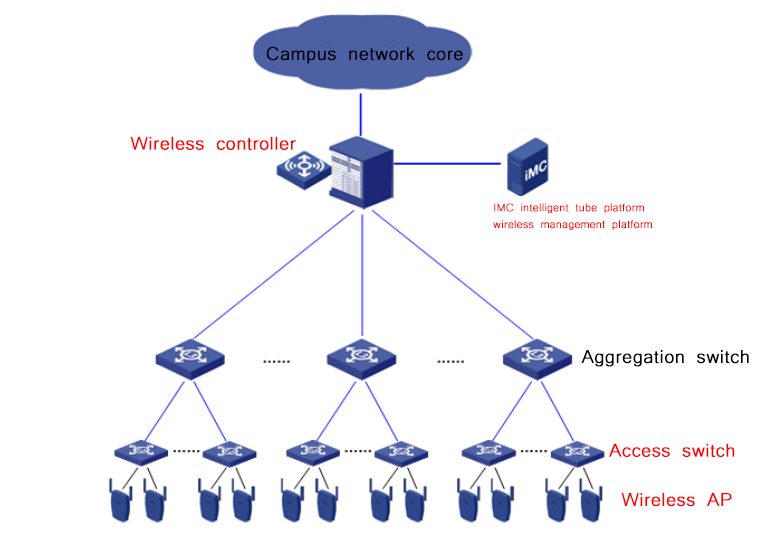
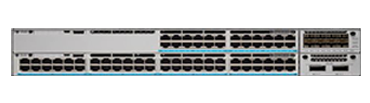
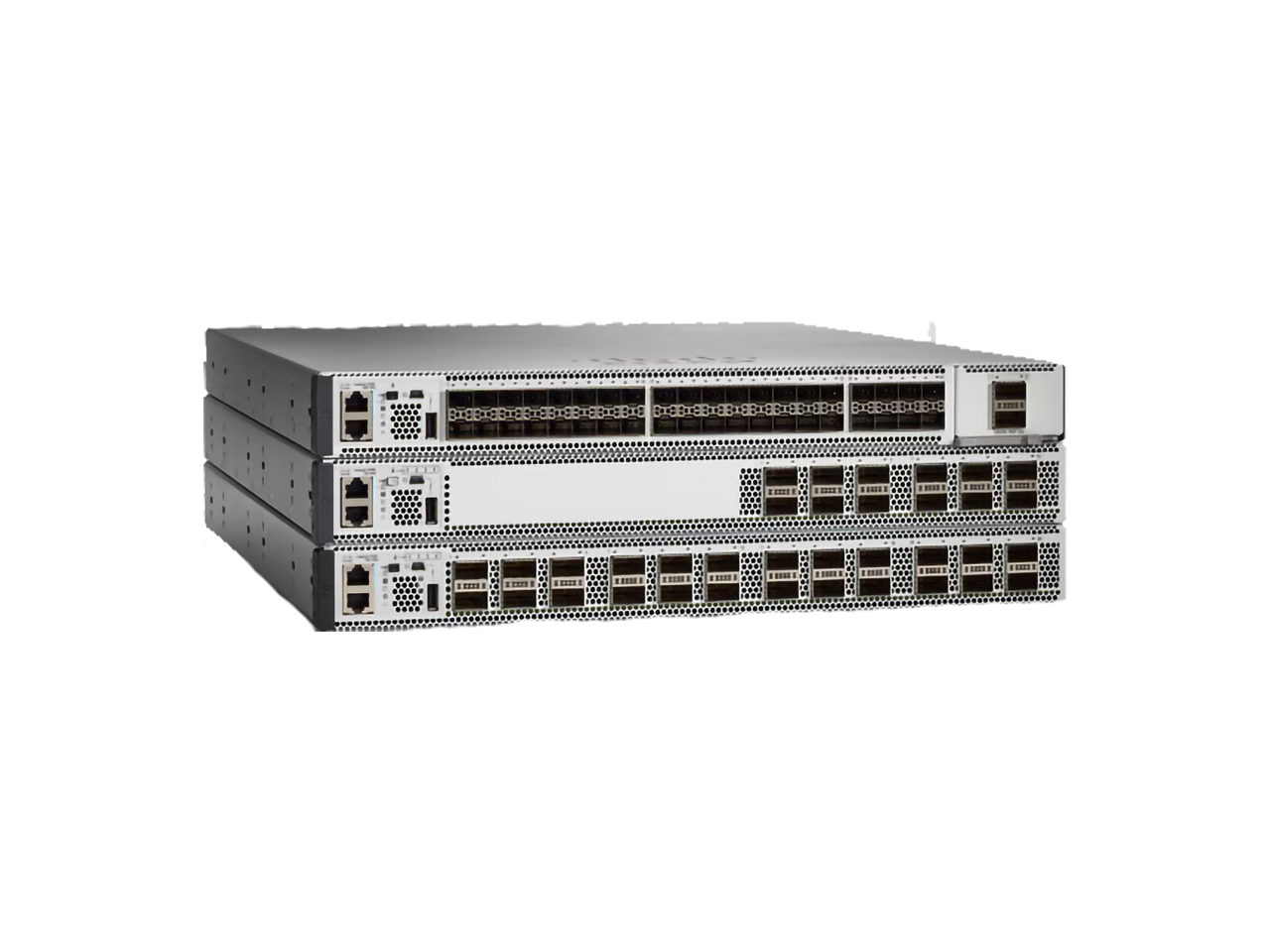
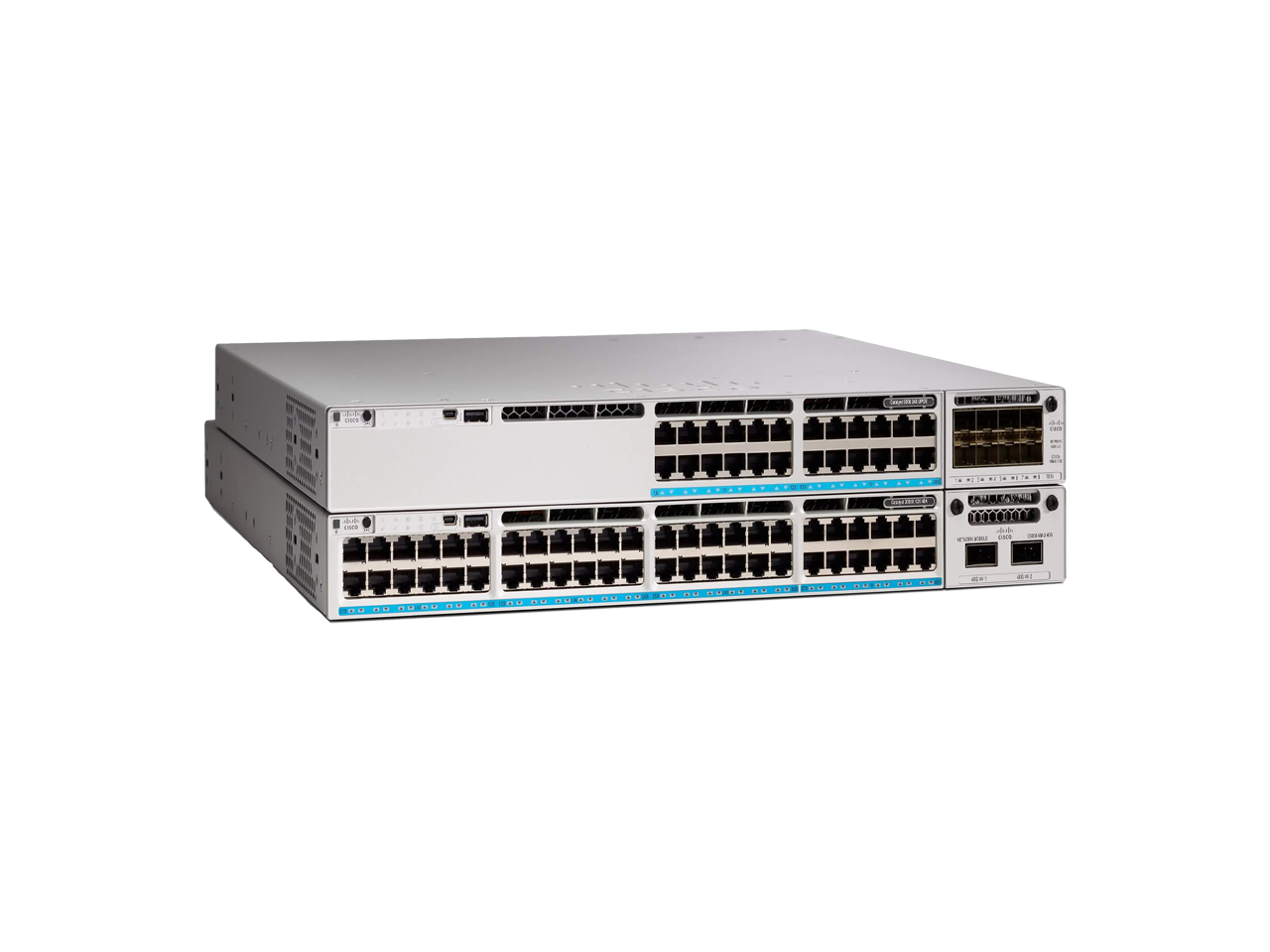
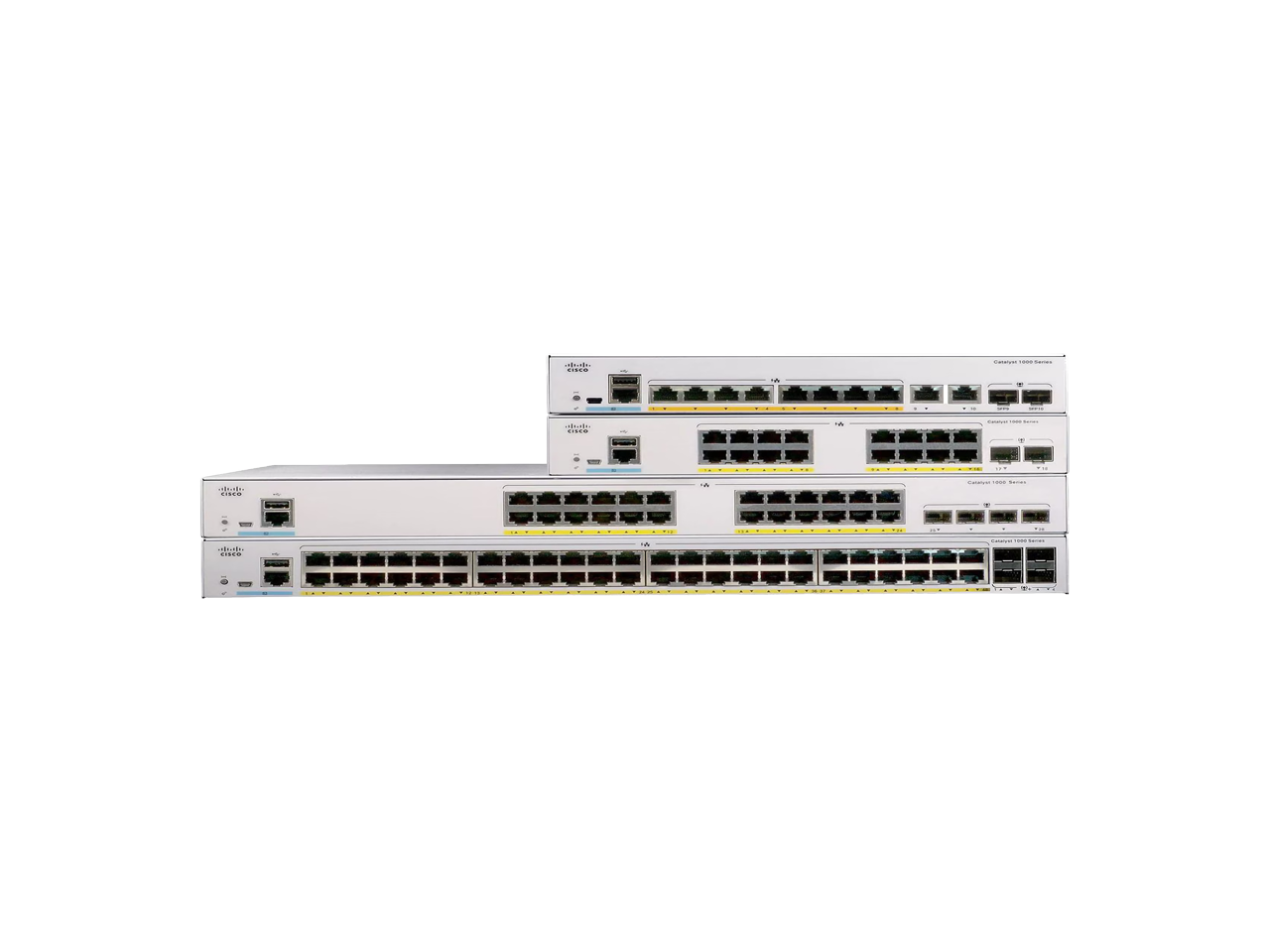
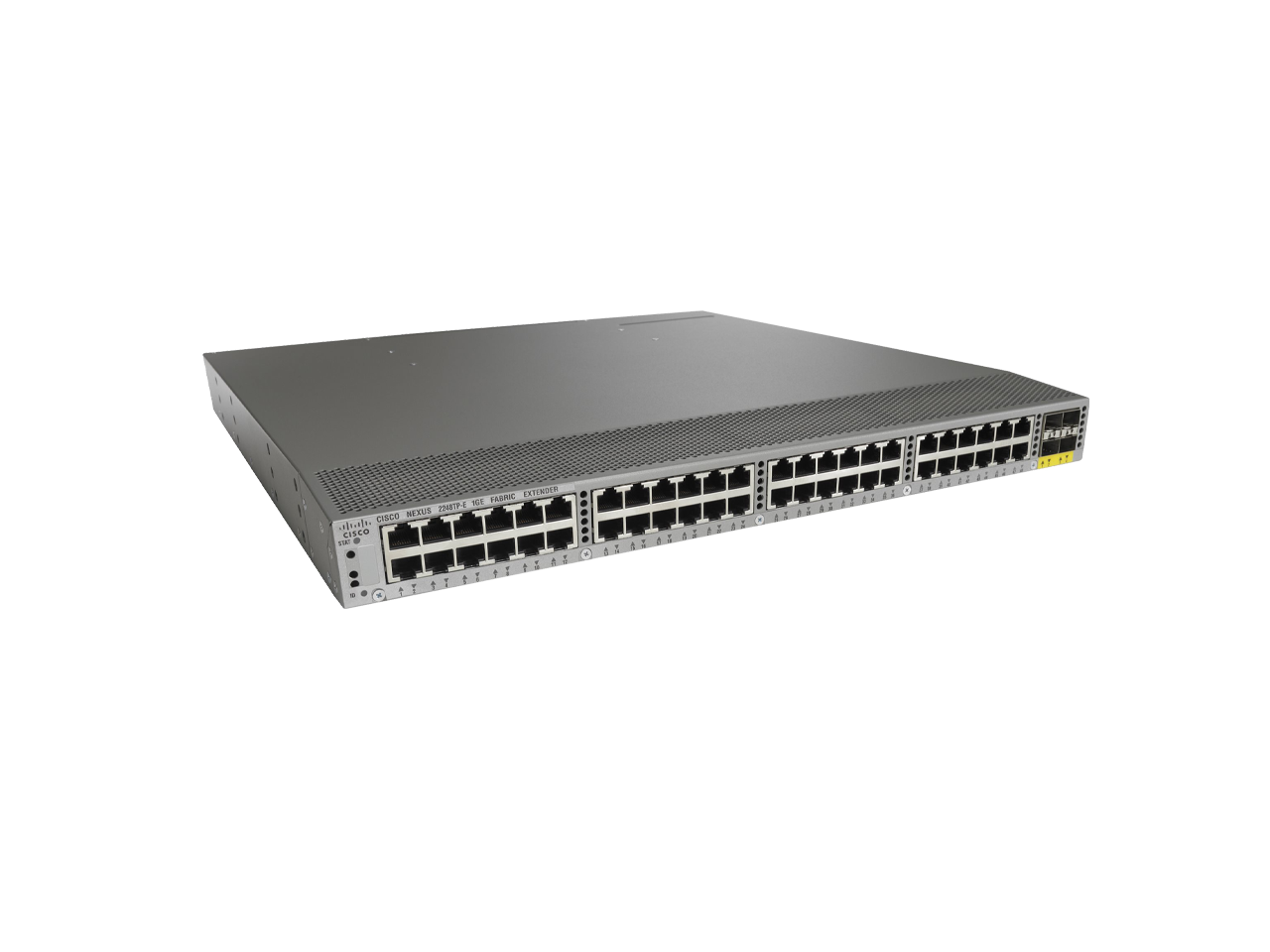
The Cisco Catalyst 3850 is a stackable, fixed-configuration access switch family that brought two things together in one chassis: multi-gigabit copper access and 10-Gigabit SFP+ uplinks. It was the first Catalyst access platform in which the wireless controller is built into the switch itself, so an access layer of 3850s can terminate corporate Wi-Fi locally instead of tunnelling every access point back to a dedicated controller appliance.
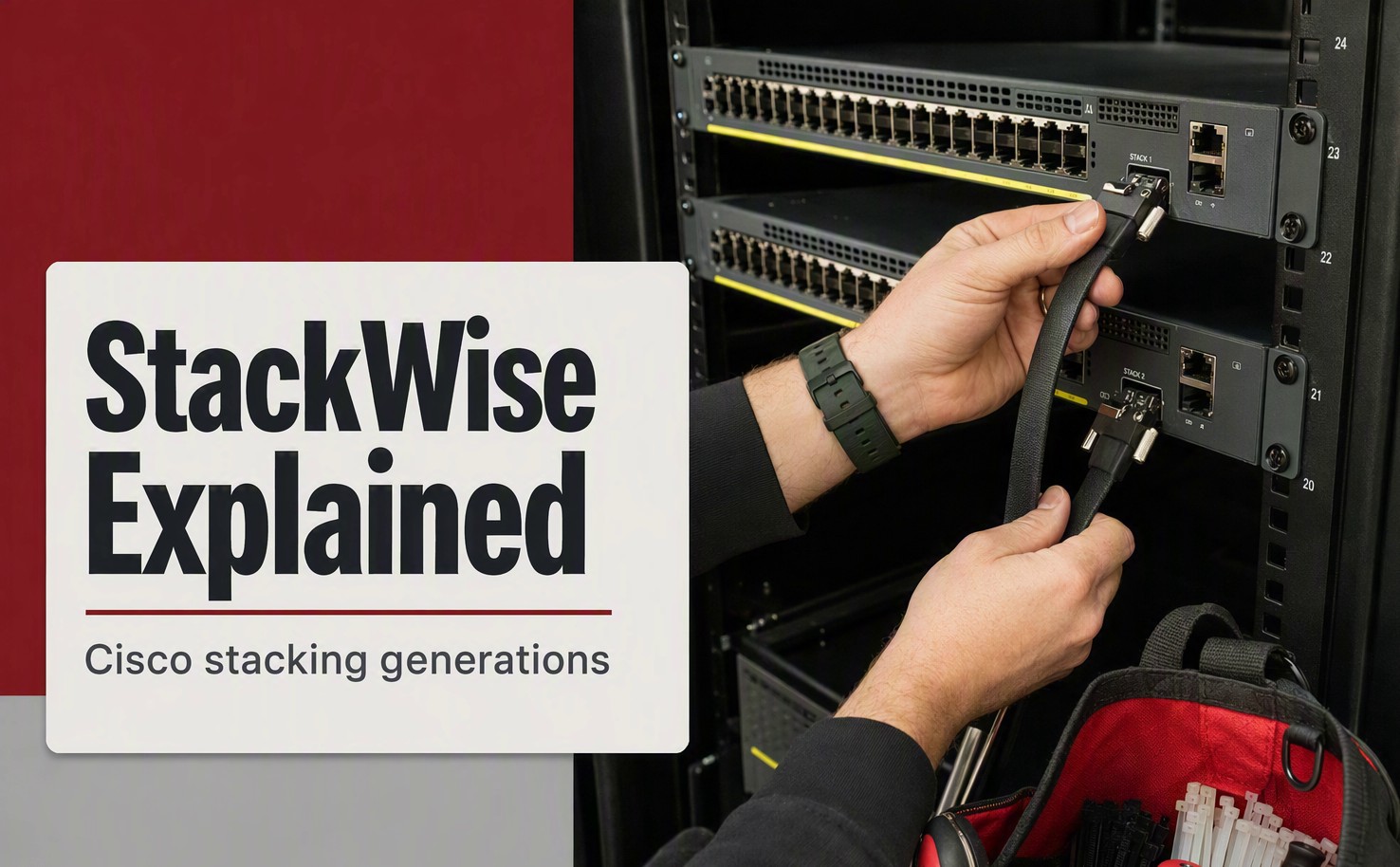
The range covers roughly 12-, 24- and 48-port copper models along with all-SFP variants, and the platforms are joined by StackWise-480 — a stacking fabric that turns up to eight switches into a single logical unit with one management address — and by StackPower, which lets power supplies in the stack be pooled so one switch can feed another if a PSU fails.
The series carries three software tiers, and the tier is written into the end of the part number. It determines what the switch can actually do, so it is the first thing to check before price:
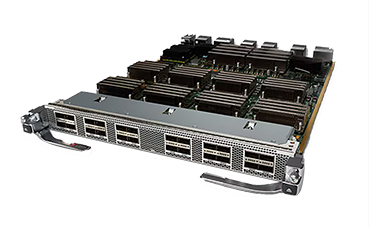
Two network modules in this category — C3850-NM-2-10G and
C3850-NM-8-10G — replace the fixed uplink module and are the usual way to lift
a 3850 to higher uplink bandwidth without changing the access ports.
Every model reads WS-C3850-<ports><type>-<software>:
12S is 12 SFP ports, 12XS is 12 SFP/SFP+ ports at 1G/10G,
24P or 48P is 24 or 48 copper ports with PoE+, 48F is
the 48-port PoE+ model supplied with a 1100 W power supply, 24XU is the
multi-gigabit UPoE variant, and 12X48U is the mixed model that combines a
high-density copper tier with multi-gigabit ports. The trailing -L,
-S or -E is the software tier described above.
This is where the money is, and where projects most often overspend:
All models in the family stack through StackWise-480, with the fixed uplink module field-replaceable by the 2-port or 8-port 10G network modules listed below. If you intend to run a stack on the pooling feature rather than cable-by-cable power redundancy, confirm the StackPower cabling requirement for the software tier you have chosen — on LAN Base an additional cable is needed before StackPower is fully functional.
| Model | Access Ports | Software Tier | Typical Position | Price |
|---|---|---|---|---|
| WS-C3850-24XU-S | 24 x multi-gigabit UPoE | IP Base | Access — high-power and 2.5G/5G endpoints | US$1,550.25 |
| WS-C3850-24P-L | 24 x PoE+ | LAN Base | Access closet — Layer 2 only | US$2,577.00 |
| WS-C3850-48P-L | 48 x PoE+ | LAN Base | Access closet — Layer 2 only | US$3,349.00 |
| WS-C3850-48F-S | 48 x PoE+ (1100 W PSU) | IP Base | Access — heavy PoE budget | US$3,500.00 |
| WS-C3850-12X48U-L | 48-port copper tier with 12 multi-gigabit ports, UPoE | LAN Base | Access — mixed copper and mGig tier | US$4,474.00 |
| WS-C3850-12S-S | 12 x 1G SFP | IP Base | Aggregation — fibre downlinks | US$6,431.00 |
| WS-C3850-12S-E | 12 x 1G SFP | IP Services | Aggregation — full routing set | US$6,745.00 |
| WS-C3850-12XS-S | 12 x SFP/SFP+ (1G/10G) | IP Base | Aggregation — 10G fibre uplinks | US$9,279.00 |
Prices are our current selling prices in US dollars, excluding shipping. Click a model number for the full specification table and availability.
The uplink module in a 3850 is field-replaceable, so an existing switch can be lifted to higher uplink bandwidth without changing its access ports:
| Module | Uplinks Provided | Notes | Price |
|---|---|---|---|
| C3850-NM-2-10G | 2-port 10 Gigabit Ethernet | Field-replaceable uplink module | US$1,155.00 |
| C3850-NM-8-10G | 8-port 10 Gigabit Ethernet | Higher-density uplink for aggregation roles | US$2,153.00 |
They are the software tiers. L is LAN Base (Layer 2 access, no wireless controller function), S is IP Base (Layer 3 routing plus the built-in wireless controller at small scale), and E is IP Services (the full routing and wireless feature set). The tier is fixed by the part number and is not something that can be switched on later by configuration alone.
Both are 12-port SFP platforms, but the 12XS carries SFP/SFP+ ports that run at either 1 Gbps or 10 Gbps, while the 12S is 1 Gbps SFP only. Choose the 12XS where the uplink or downlink needs 10G.
Yes — the wireless controller function is integrated into the switch on the IP Base and IP Services tiers. That is the main reason the 3850 was widely deployed in access layers: access points can terminate locally instead of tunnelling to a separate controller. LAN Base models do not provide this function.
StackPower pools the power supplies across a stack, so a switch whose PSU fails can draw power from its neighbours instead of dropping its powered devices. On the LAN Base models an additional StackPower cable is required before the feature is fully functional — this is a cabling requirement, not a licence one.
Yes. The uplink module is field-replaceable and both C3850-NM-2-10G (2 x 10G) and C3850-NM-8-10G (8 x 10G) fit the platform, so uplink capacity can be raised without replacing the switch.
If the switch only needs to switch at Layer 2, take a -L model. If it must route between VLANs or run the on-board wireless controller, step up to the 48F-S — the same 48-port PoE+ layout, supplied with a 1100 W power supply for a heavier powered-device load.
Yes. Give us the model and the stack you are building and we will quote the StackWise and StackPower cables, power supplies and transceivers alongside the switches.


Get advice, answers, and solutions when you need them. For general questions, contact us at +86 152 7186 6615 / john@infdevice.com