
The Modular Workhorse: A Hands-On Look at the Cisco Catalyst C9200-24P-A
There is a distinct feeling of reliability when you rack a Cisco Catalyst 9200 series switch. It’s that moment when the chaotic tangle of cables in a wiring closet starts to look organized, almost architectural. The
C9200-24P-A isn't just a piece of hardware; for many network engineers, it represents the standard-bearer for modern enterprise access. It sits right in the sweet spot of the "9000" family, designed to be the brain and brawn of a branch office or a dense enterprise floor. Unlike the "Lite" versions, this unit is built with modularity in mind, offering a flexibility that changes how you plan your infrastructure.
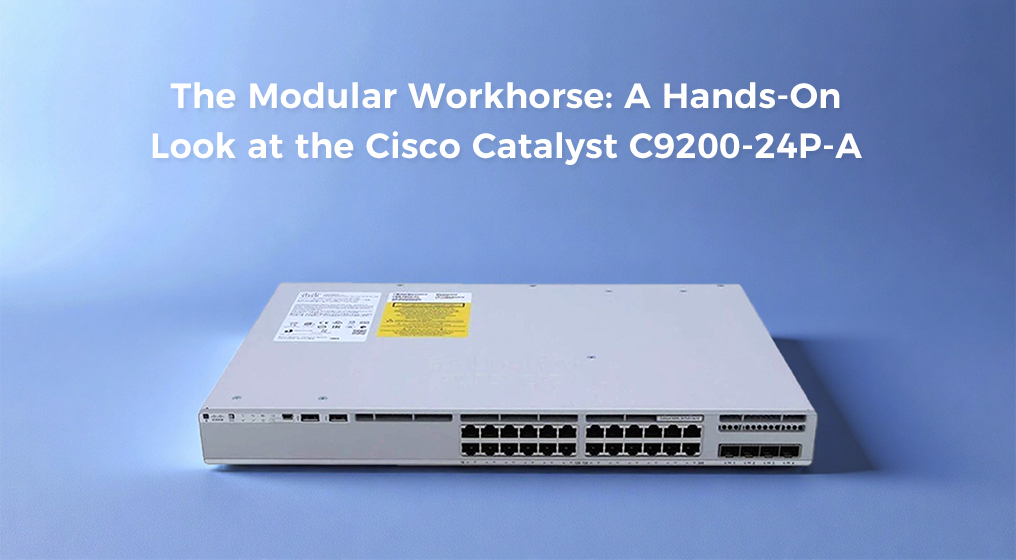
When you first lay eyes on the C9200-24P, the first thing you notice is the "P"—it stands for PoE+ (Power over Ethernet Plus). This is a massive deal for the user experience because it fundamentally changes your cabling strategy. You aren't just moving data; you are delivering up to 30W of power per port. This means your Wi-Fi 6 access points, IP phones, and security cameras can live on the network without hunting for a nearby electrical outlet. It turns a messy desk setup into a single, clean Ethernet run. The 24-port density is perfect for a standard server rack or a medium-sized office cluster, offering enough headroom for growth without over-provisioning.

However, the real magic happens on the right side of the faceplate. Unlike the fixed "L" series, the C9200-24P features modular uplinks. This is a feature you don't truly appreciate until you realize your network backbone needs to evolve. You have four slots that can accept different network modules. Need 1G fiber? You got it. Need 10G? Easy. Need 25G or even 40G for high-speed aggregation? You can swap the module in minutes without replacing the whole chassis. This "future-proofing" capability offers a sense of control that is rare in modern hardware lifecycles. It feels like the switch is ready to grow with you, rather than becoming obsolete in three years.
| Feature |
Specification |
| Model |
C9200-24P-A |
| Downlinks |
24 x 10/100/1000 Mbps (PoE+) |
| Uplinks |
4 x Modular Slots (Supports 1G/10G/25G/40G) |
| Performance |
128 Gbps Switching Capacity |
| Throughput |
~190.4 Mpps |
| Stacking |
StackWise-160 (160 Gbps) |
| Power |
Redundant Power Supply Slots (1+1) |
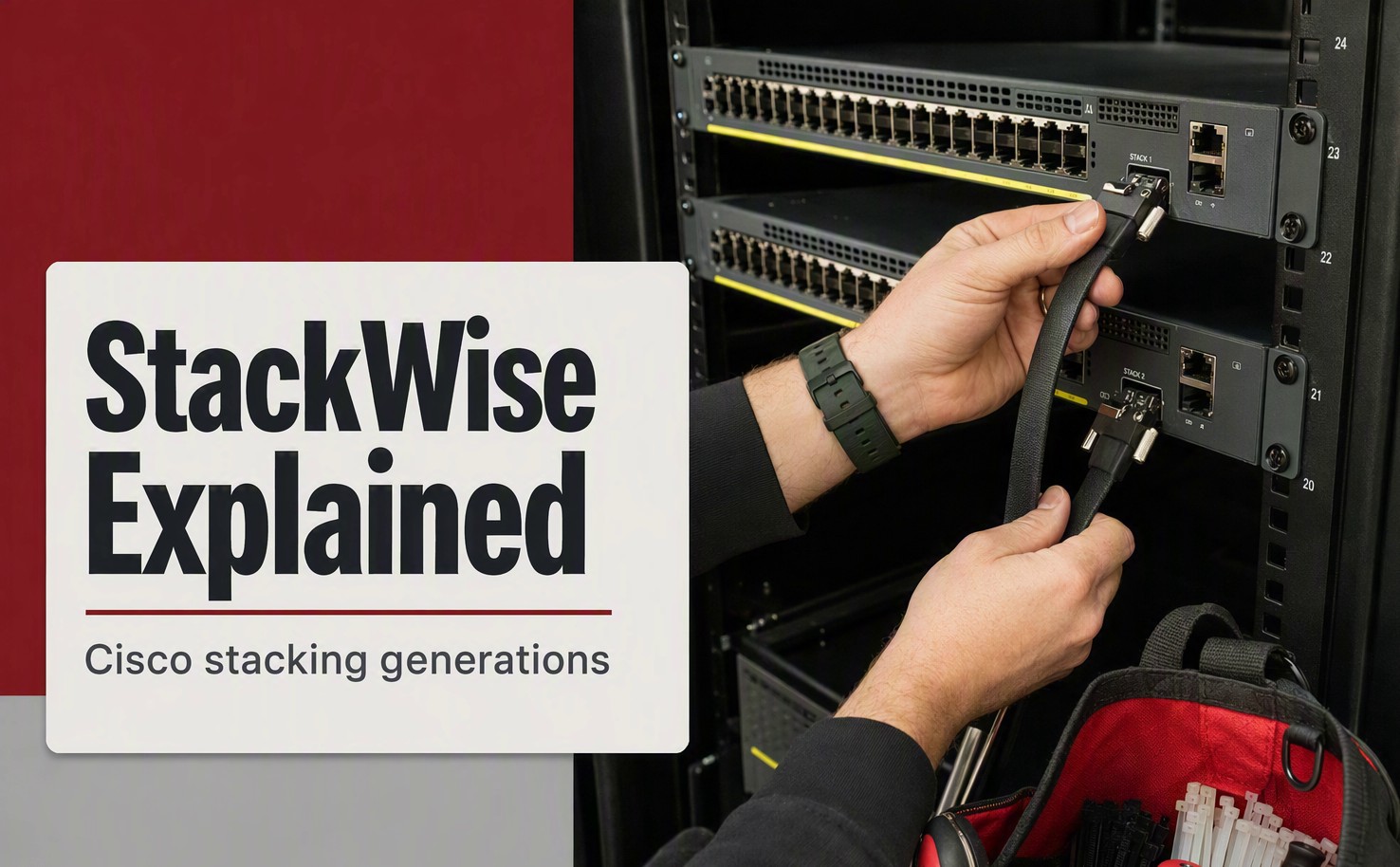
Under the hood, the performance is snappy and responsive. With a switching capacity of 128 Gbps and a forwarding rate of 190.4 Mpps, it handles traffic bursts with ease. But the user experience really shines when you look at the stackability. The StackWise-160 technology allows you to physically stack up to 8 units, creating a logical ring with 160 Gbps of backplane bandwidth. For the admin, this is a dream. Instead of managing eight different IP addresses, you manage one. If one switch in the stack fails, the others keep running. It simplifies the mental model of the network, reducing anxiety during outages.
The "A" at the end of the model number is the silent hero here. It stands for the Network Advantage license. This isn't a stripped-down OS; it’s the full version of Cisco IOS XE. This means you get advanced Layer 3 routing (OSPF, EIGRP), sophisticated security segmentation (TrustSec), and full programmability. When you log in via the CLI or the web interface, the system feels incredibly robust. It supports Cisco DNA Center, which uses AI to analyze your traffic and suggest optimizations. It transforms the switch from a "dumb pipe" into an intelligent sensor that tells you why a user's Wi-Fi is slow, rather than just dropping packets.
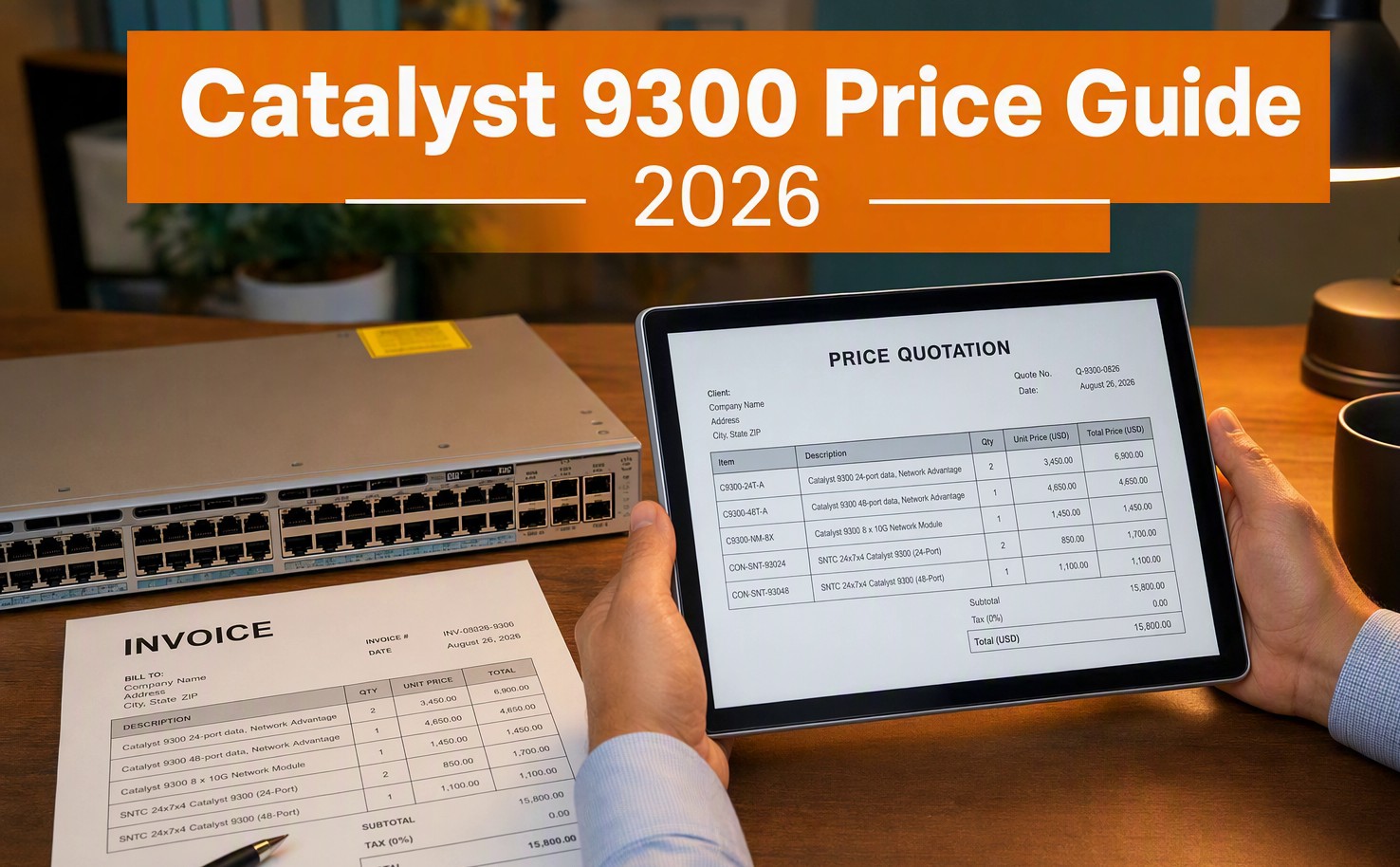
Of course, no hardware is perfect. The modularity that makes the C9200-24P so powerful also adds a layer of complexity to the purchasing process. You have to buy the switch and the uplink modules separately, which can be a headache if you aren't paying attention to the BOM (Bill of Materials). Additionally, while the PoE+ budget is generous, it isn't infinite. If you plan to drive high-power devices like PTZ cameras on every single port, you still need to do the math on the power budget to ensure you don't brownout the system. It requires a bit more planning than a simple plug-and-play unmanaged switch.
In terms of value, the
C9200-24P-A sits in a fascinating spot. It is more expensive than the fixed "L" series, but that price premium buys you longevity. The ability to swap uplinks means you don't have to "forklift upgrade" your access layer when you eventually move to 25G or 40G backbones. You just change the modules. For an enterprise environment where uptime and adaptability are currency, this switch offers a cost-performance ratio that is hard to beat. It is an investment in a network that is ready for tomorrow, not just today.