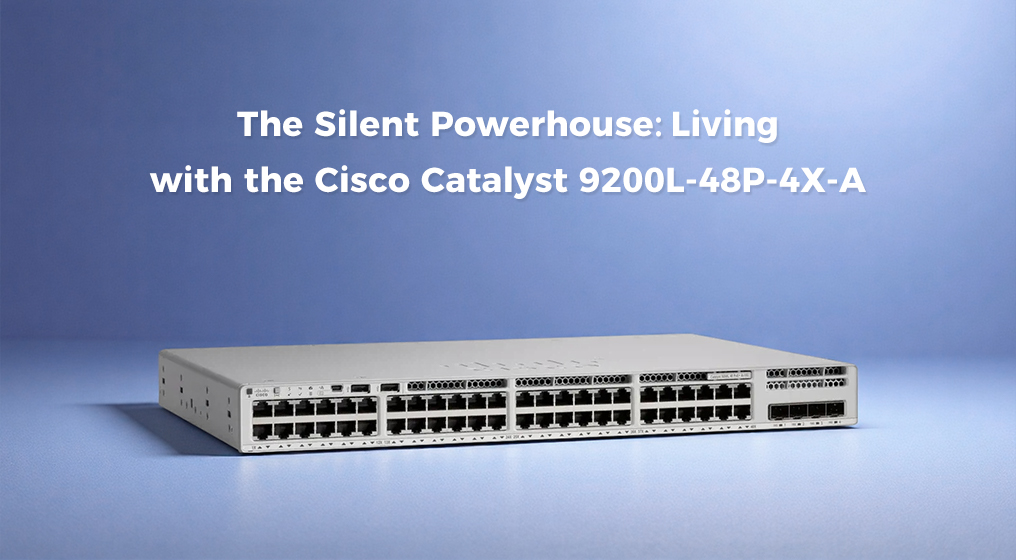

The Silent Powerhouse: Living with the Cisco Catalyst 9200L-48P-4X-A
There is a specific kind of silence that falls over a server room when you finally replace that aging, jet-engine-loud legacy switch with a modern unit. That is the first thing you notice with the Cisco Catalyst
9200L-48P-4X-A. It sits in the rack, humming a barely audible tune, looking deceptively simple. But for a network engineer or an IT manager, this box represents a massive shift in how the edge of the network operates. It isn't just a box that forwards packets; it is a converged platform designed to handle the messy reality of modern offices where high-speed data and power delivery have to coexist perfectly.
When you first rack the unit, the build quality feels substantial. It is a standard 1RU form factor, but it is dense. The front panel is a wall of connectivity: 48 RJ45 ports on the left and center, and four SFP+ slots on the right. The "48P" designation is the key here—it means every single one of those copper ports can deliver PoE+ power. This is a game-changer for cable management. You stop needing to hunt for power outlets behind the desk for every IP phone, security camera, or Wi-Fi 6 access point. You just run one Cat6 cable, and the switch handles the rest. It feels like decluttering a messy desk, but on an infrastructure scale.

Performance-wise, this machine is built for aggregation. The "4X" stands for four fixed 10 Gigabit SFP+ uplinks. In a high-density environment, 1 Gigabit uplinks can become a bottleneck, especially when you have 48 users all trying to access the cloud simultaneously. By providing 10G uplinks, this switch ensures that the path to the core remains wide open. With a switching capacity of 176 Gbps and a forwarding rate of roughly 130.95 Mpps, it doesn't just move data; it moves it fast. It is designed to be the muscle of the access layer, handling heavy traffic loads without breaking a sweat.
| Feature |
Specification |
| Model |
C9200L-48P-4X-A |
| Downlinks |
48 x 10/100/1000 Mbps (PoE+) |
| Uplinks |
4 x 10 Gigabit SFP+ (Fixed) |
| PoE Budget |
740W (Total PoE Power) |
| Performance |
176 Gbps Switching Capacity |
| Throughput |
~130.95 Mpps |
| Stacking |
StackWise-160 |
| License |
Network Advantage |
The user experience of managing this switch is where the "A" (Advantage) license really shines. Unlike the "E" (Essentials) models, the "A" version unlocks the full potential of Cisco IOS XE. This means you aren't stuck with basic Layer 2 commands; you get full programmability and advanced routing capabilities. Whether you are using the classic Command Line Interface (CLI) or the modern Cisco DNA Center, the switch feels incredibly responsive. The telemetry data it provides is rich, allowing you to see exactly what is happening on the network in real-time. It turns troubleshooting from a guessing game into a precise science.
Integration into the wider ecosystem is seamless. If you are running a Cisco shop, this switch speaks the same language as your core devices. It supports TrustSec for security segmentation, meaning you can isolate your guest Wi-Fi traffic from your finance department traffic right at the port level. It plays nicely with Cisco Identity Services Engine (ISE), automating policy enforcement. It is designed to be a "set it and forget it" component that nonetheless gives you deep control when you need it.
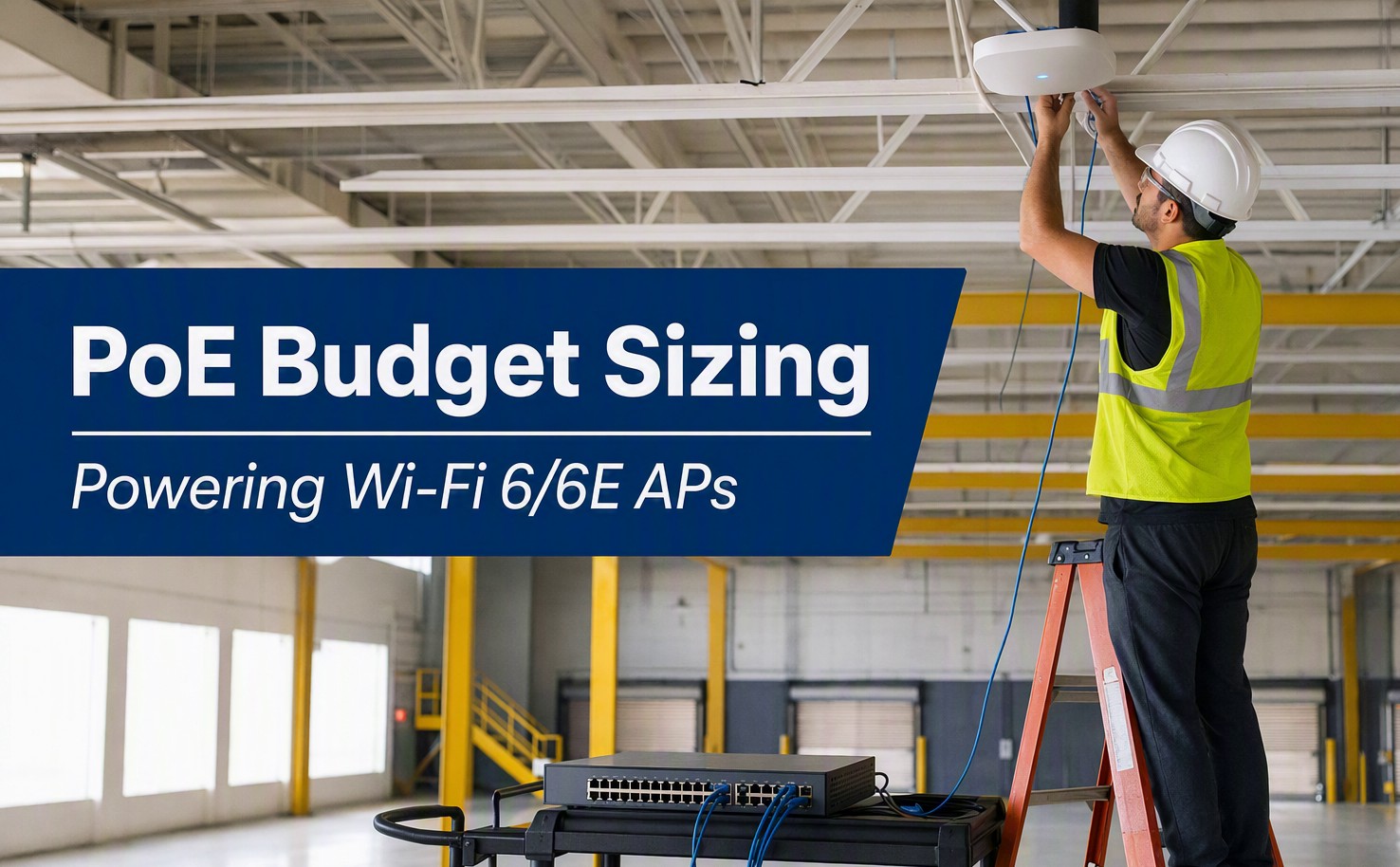
However, no hardware is perfect. The main trade-off here is the fixed uplinks. Because the 4X model has soldered-on 10G ports, you cannot upgrade them to 25G or 40G later if your bandwidth needs explode. You are locked into 10G. Additionally, while the 740W power supply is robust, if you plan to run high-power devices like PTZ cameras or massive Wi-Fi 6E access points on every single port, you might find the PoE budget stretched thin. It requires a bit of math to ensure you don't overload the power budget during peak usage.
From a value perspective, the 9200L series strikes a balance between the high-end modular switches and the entry-level models. It is generally more affordable than the fully modular C9200, making it a smarter buy for static deployments where you know you need 10G uplinks but don't need the flexibility of swappable modules. It offers the premium "Advantage" software features at a hardware price point that is accessible for mid-to-large enterprises. It is an investment in stability, ensuring that the part of the network your users touch every day is fast, powered, and reliable.