
Intellectual Property
Hot selling product recommendations
View More



















Cisco C9300-48UN-E: The Silent Powerhouse of Modern Networking
In the bustling heart of today's enterprise networks, where seamless connectivity is non-negotiable, the Cisco Catalyst C9300-48UN-E switch often plays the unsung hero. It’s not the flashiest piece of tech, but for those who manage and rely on these networks, its presence is felt through a profound sense of reliability. This isn't just a box of ports; it's a fully integrated networking platform designed for an era where every device, from a desk phone to a high-definition camera, demands both data and power.
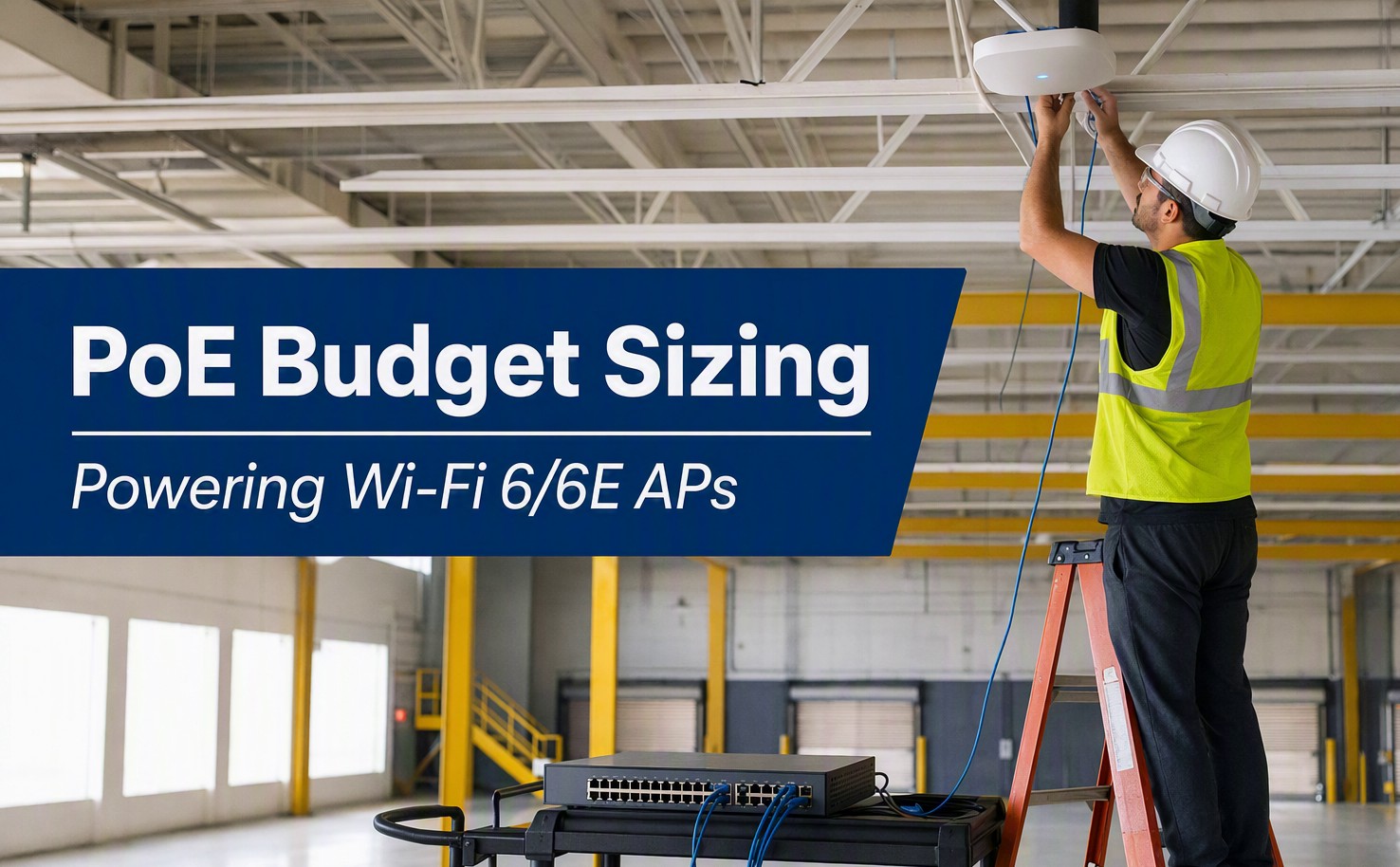
Imagine the simplicity of running a single Ethernet cable to a wireless access point mounted high on a ceiling, delivering both a network connection and the necessary electrical power. The C9300-48UN-E makes this a routine reality, thanks to its support for Cisco's Universal Power over Ethernet (UPoE) and UPoE+. This capability to deliver up to 60W of power per port is a game-changer, simplifying installations for a wide array of powered devices. Beyond power, this switch operates at the third layer of the network, giving it the intelligence to make routing decisions at lightning speed. This means different departments, like finance and marketing, can have their own secure, segregated virtual networks (VLANs) while still allowing authorized communication between them, all handled efficiently within the switch itself.
When you look at its core architecture, the numbers speak volumes about its capacity. The switch is built to handle heavy data traffic without breaking a sweat.
|
Core Parameter |
Specification |
|---|---|
|
Port Configuration |
48 x 5G Multi-Gigabit Ethernet copper ports with UPoE/UPoE+
|
|
Uplink Capability |
Modular uplink slots for flexible 5G, 10G, or higher-speed connections
|
|
Forwarding Rate |
190.47 Mpps
|
|
Backplane Bandwidth |
256 Gbps
|
|
Switching Capacity |
3 Tbps (estimated based on port capabilities) |
|
Power Supply |
Configurable, supports redundant and high-wattage options (e.g., 1100W)
|
Physically, the switch embodies the understated, robust aesthetic typical of Cisco's enterprise gear. It's designed for a standard 19-inch equipment rack, with a metallic casing that promises and delivers durability. The build quality is solid, inspiring confidence that this is a piece of hardware built for the long haul. The front panel is dominated by the 48 Multi-Gigabit Ethernet ports, each capable of automatically negotiating speeds from 1G to 5G, ensuring compatibility with both existing and newer, faster devices. The modular uplink slots on the side offer flexibility, allowing network engineers to tailor the switch's connectivity to the specific needs of the network, whether it's a few 10G fiber connections or 40G/100G links to the core.
For network administrators, the experience of managing a C9300-48UN-E is where it truly shines. The initial setup can be tackled through a command-line interface (CLI) for veterans who prefer precision or an intuitive web-based GUI for those who favor a visual approach. A standout feature is its programmability. The switch runs on Cisco's IOS XE operating system, which unlocks capabilities for automation. Repetitive tasks like configuring new ports or pushing network-wide policy updates can be scripted, saving countless hours and reducing the chance of human error. From a user's perspective on the network, the impact is one of pure performance. Applications feel more responsive, video calls are clearer, and large file transfers that used to drag on now complete in a fraction of the time, thanks to the high throughput and advanced Quality of Service (QoS) features that prioritize critical traffic.
No product is perfect, and a clear-eyed view is essential. The primary advantage of the C9300-48UN-E is its exceptional combination of high-density Multi-Gigabit access, robust Layer 3 routing, and powerful UPoE+ in a single, well-integrated platform. Its scalability, backed by the mature and secure Cisco DNA (Digital Network Architecture), means it can grow with your business. However, this capability comes with complexity. The initial configuration, especially for advanced features, has a steeper learning curve compared to simpler, web-managed switches. It's unequivocally aimed at professional IT environments. Furthermore, while the hardware is a significant investment, the total cost of ownership must also factor in potential licensing for advanced software features and DNA capabilities.
When evaluating its worth, the C9300-48UN-E isn't a cheap piece of hardware, but its value is measured in resilience and longevity. For a medium to large-sized business, the cost of network downtime—in lost productivity and potential security issues—far outweighs the initial investment in a robust switch. The ability to power next-generation devices directly from the ports eliminates the need for separate power injectors and electrical work, leading to a cleaner setup and lower installation costs over time. It’s a strategic asset, a foundational piece that you install with the confidence that it won't need replacing for many years, reliably supporting the network as it evolves. For organizations where the network is the backbone of daily operations, the C9300-48UN-E isn't an expense; it's an investment in uninterrupted, high-performance connectivity.