
Intellectual Property
Hot selling product recommendations
View More



















The C9200L-48P-4X-E: Where Power Meets PoE in a Single Rack Unit
Walking into a server room and laying eyes on the Cisco C9200L-48P-4X-E, you immediately sense its purpose-driven design. This isn’t a minimalist accessory—it’s built for real work. With a compact chassis measuring 440×445×288 mm and weighing just under 5 kg, it occupies a single rack unit without demanding excessive space. The front panel is clean and functional: 48 Gigabit Ethernet PoE+ ports aligned in neat rows, accompanied by four 10G SFP+ uplink slots. The brushed metal finish and understated branding convey durability, while the clearly labeled status LEDs and redundant fan modules hint at its reliability-focused engineering. It’s the kind of hardware that doesn’t need to shout; its robust construction speaks for itself.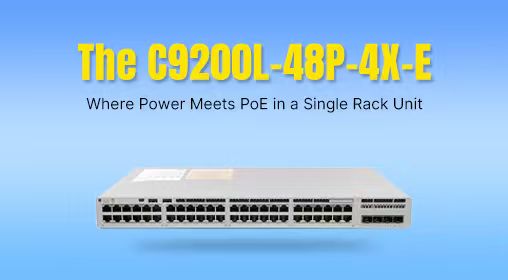
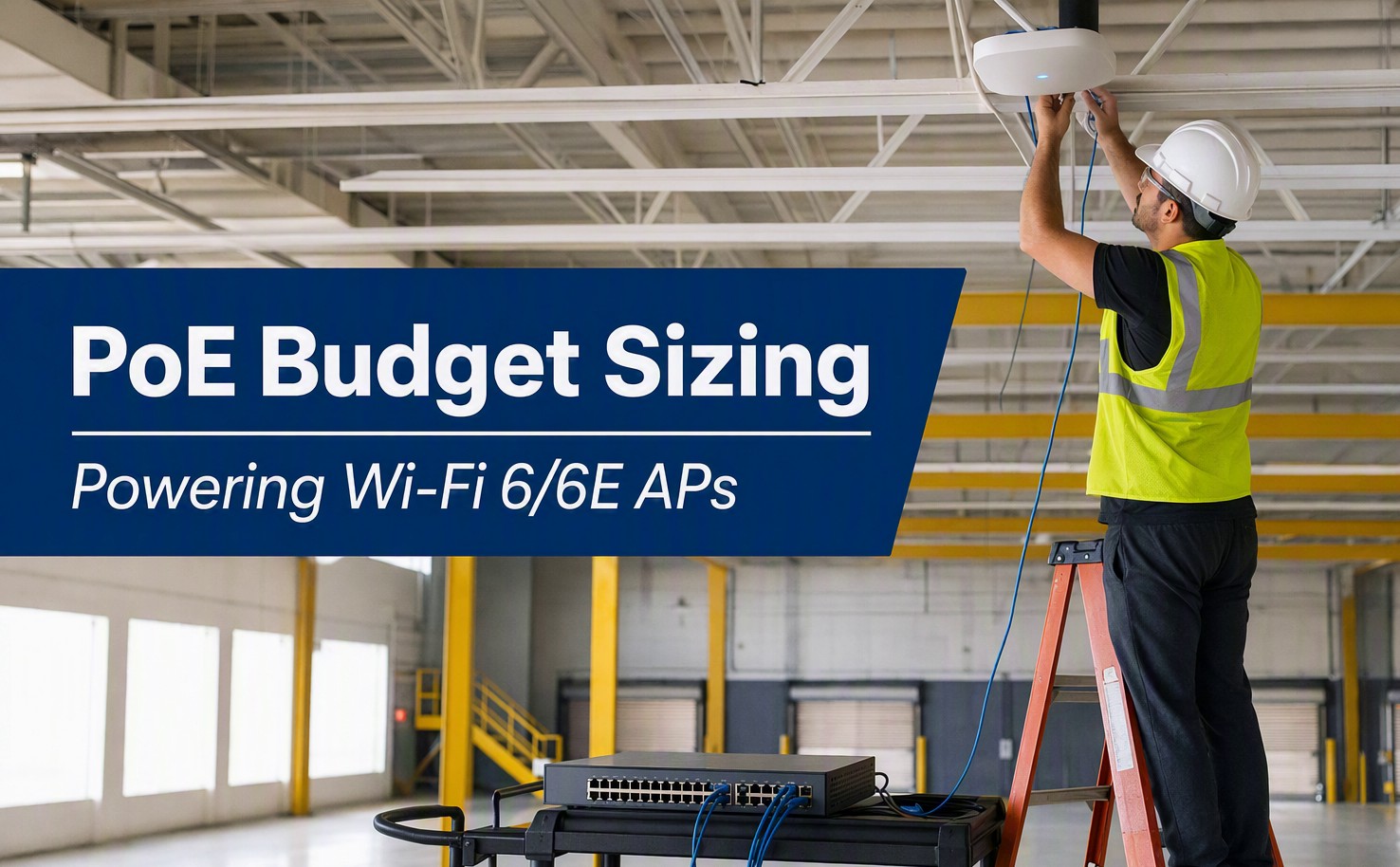
Where the C9200L-48P-4X-E truly excels is in environments where connectivity and power converge. Imagine a modern office with IP phones, wireless access points, and surveillance cameras—all requiring both data and electricity. This switch delivers up to 30W per port via PoE+, eliminating the clutter of external power adapters. One network administrator shared how deploying it in a school simplified their infrastructure: “We powered 40+ IP phones and 30 Aruba APs without a single power injector. The 10G uplinks handled inter-VLAN routing without breaking a sweat”. With a 176 Gbps backplane bandwidth and a forwarding rate of 261.9 Mpps, it’s engineered for scenarios where consistent performance matters more than raw throughput.
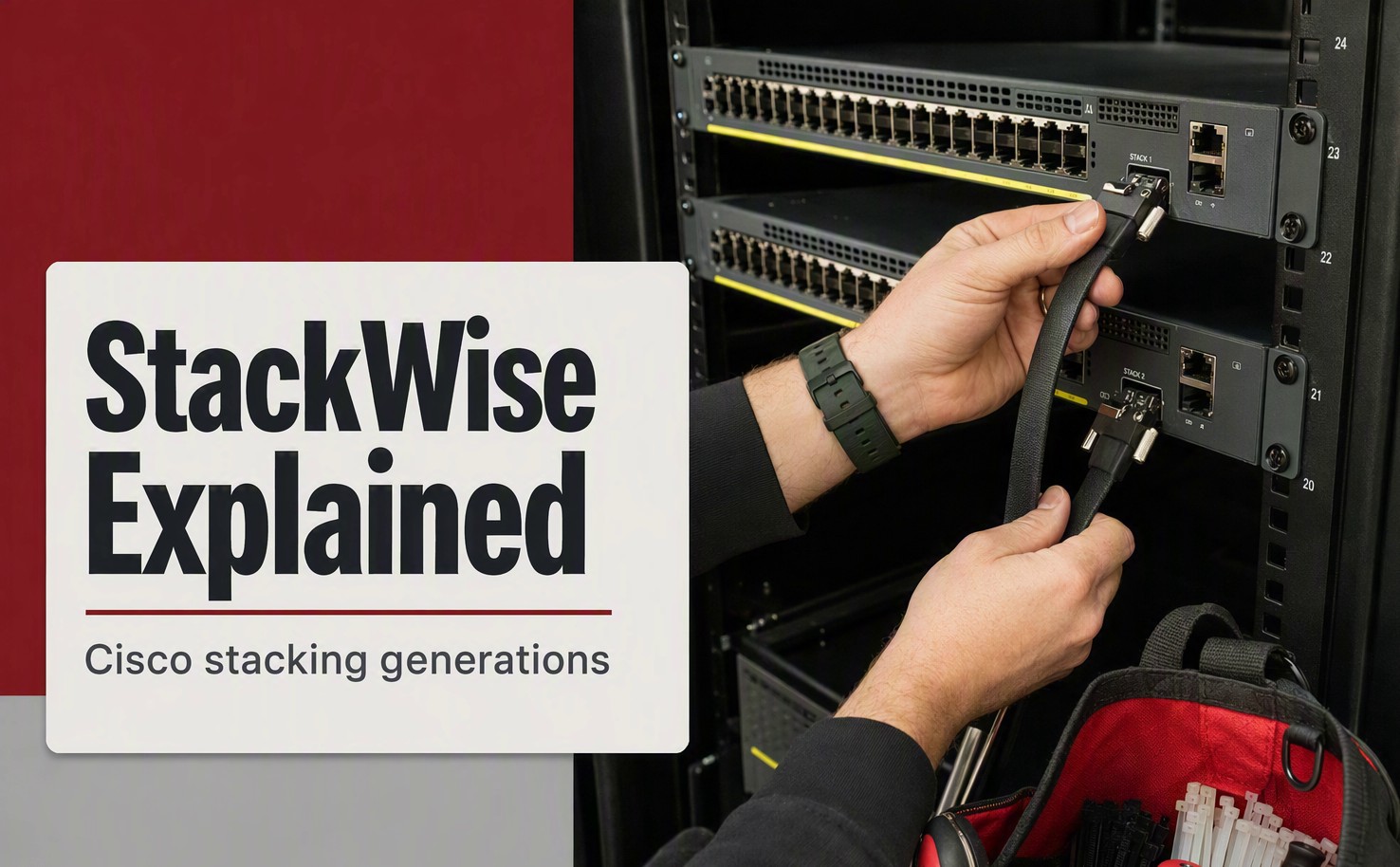
What users often appreciate is how Cisco’s DNA Center and IOS XE software simplify management. Zero-touch deployment allows branch offices to unbox, power on, and auto-configure via centralized templates—no onsite IT required. For less experienced teams, the graphical interface makes VLAN partitioning or QoS policies feel approachable. There’s also StackWise support, allowing multiple units to merge into a single logical switch, simplifying scalability. Security features like 802.1X port authentication and MACsec encryption prevent unauthorized access, something a retail chain leveraged to block rogue devices that previously slowed their network.
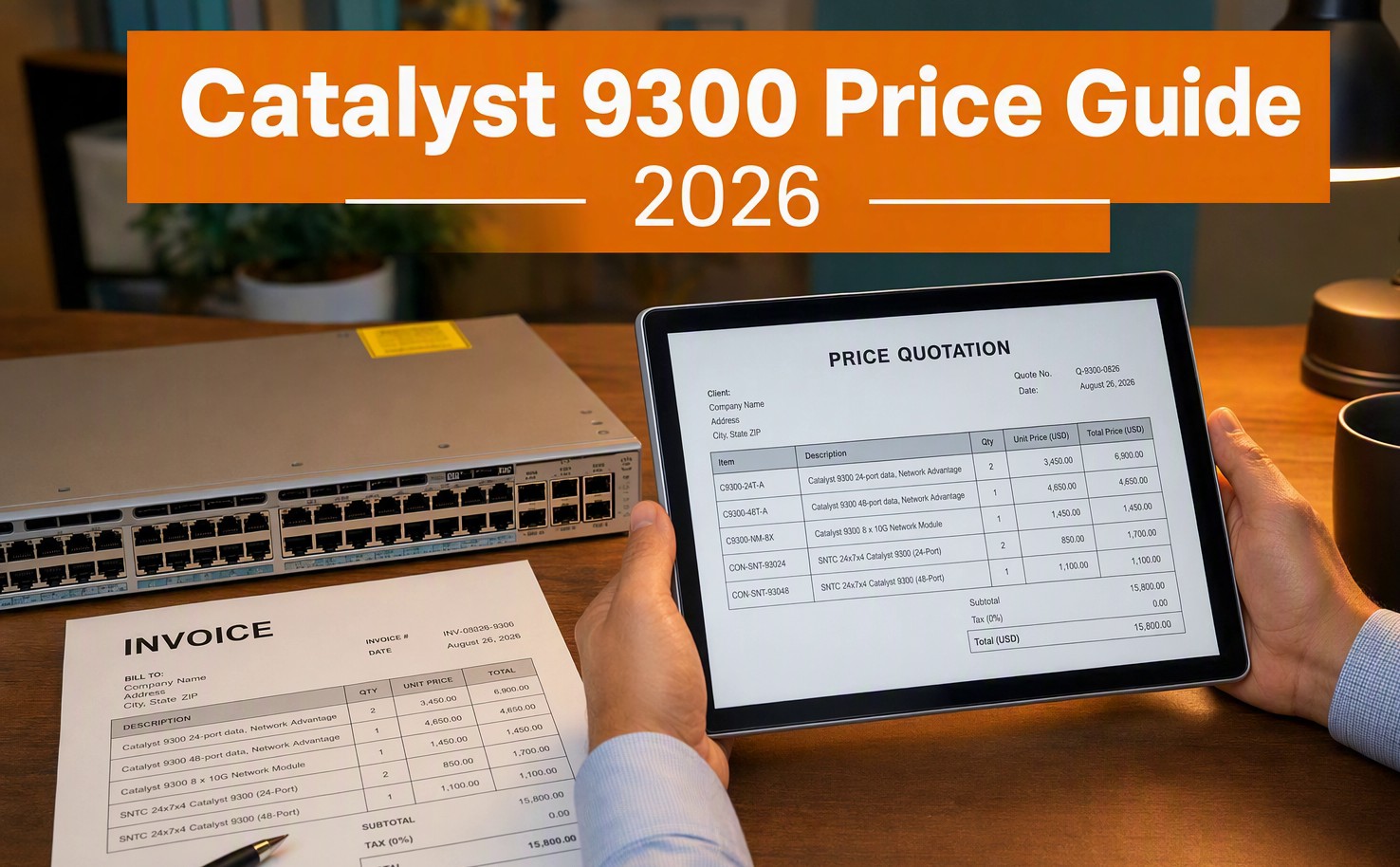
Of course, no device is perfect. The learning curve for Cisco’s CLI and DNA Center can steepen quickly for admins coming from other brands. And while the base hardware is competitively priced, fully leveraging features like DNA Advantage licensing adds recurring costs. That said, most users argue the long-term savings in downtime avoidance and operational efficiency justify the investment. The switch’s mean time between failures (MTBF) of 346,270 hours underscores its reliability, reducing unexpected outages.
Here’s a snapshot of its core specifications:
|
Parameter |
Specification |
|---|---|
|
Port Configuration |
48x 1G PoE+ RJ45, 4x 10G SFP+ uplinks |
|
PoE Budget |
Up to 30W per port, 740W total (configurable) |
|
Switching Capacity |
176 Gbps |
|
Forwarding Rate |
261.9 Mpps |
|
Stacking Bandwidth |
80 Gbps |
|
Power Supply |
100-240V AC, 50/60 Hz (redundant support) |
|
Dimensions (H×W×D) |
440 × 445 × 288 mm |
|
Operating Temperature |
0 to 45°C |
|
MTBF |
346,270 hours |
When compared to alternatives like HPE’s OfficeConnect or Juniper’s EX2300, the C9200L holds its ground with stronger software integration and security automation, though some competitors may offer lower upfront costs. For teams already invested in Cisco ecosystems, features like automated policy enforcement and seamless IoT device profiling streamline operations in ways that third-party gear struggles to match. It’s not the cheapest option, but for growing organizations prioritizing stability and security, it’s a calculated investment that pays off in reduced firefighting and future-proof flexibility.
In the end, the C9200L-48P-4X-E is like a dependable anchor—it just works, day in and day out. It might not be the most glamorous piece of tech, but for those who need a solid foundation for their network edge, it’s a choice that rarely disappoints.