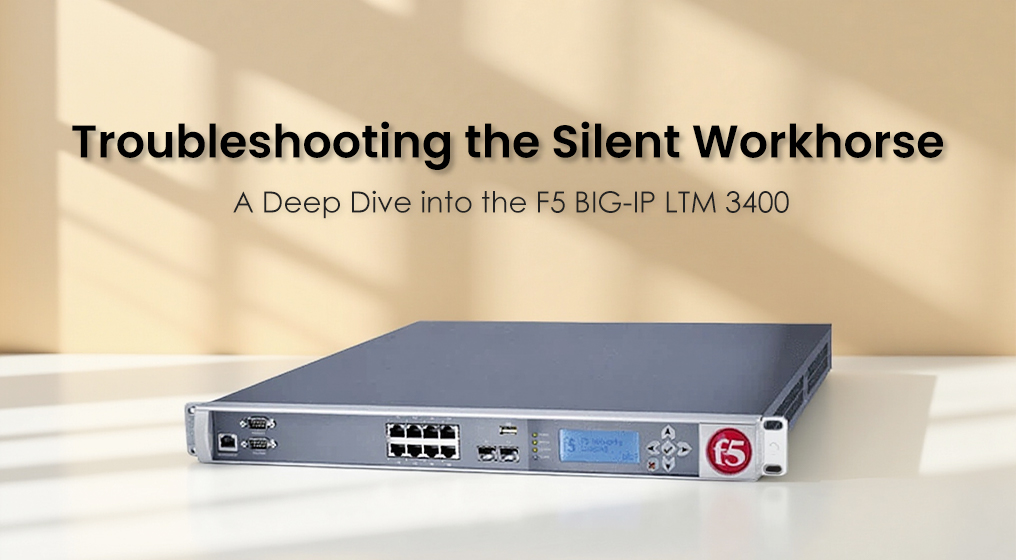

Taming the Beast: A Deep Dive into the F5 BIG-IP 10000S
Have you ever stared at a blinking rack of servers, wondering why your application is still lagging despite throwing more hardware at it? Or perhaps you've faced that heart-stopping moment during a deployment when a configuration syntax error threatens to take down the entire production environment. These are the kinds of headaches that usually send sysadmins reaching for the strongest coffee available. It is exactly in these high-pressure scenarios that the
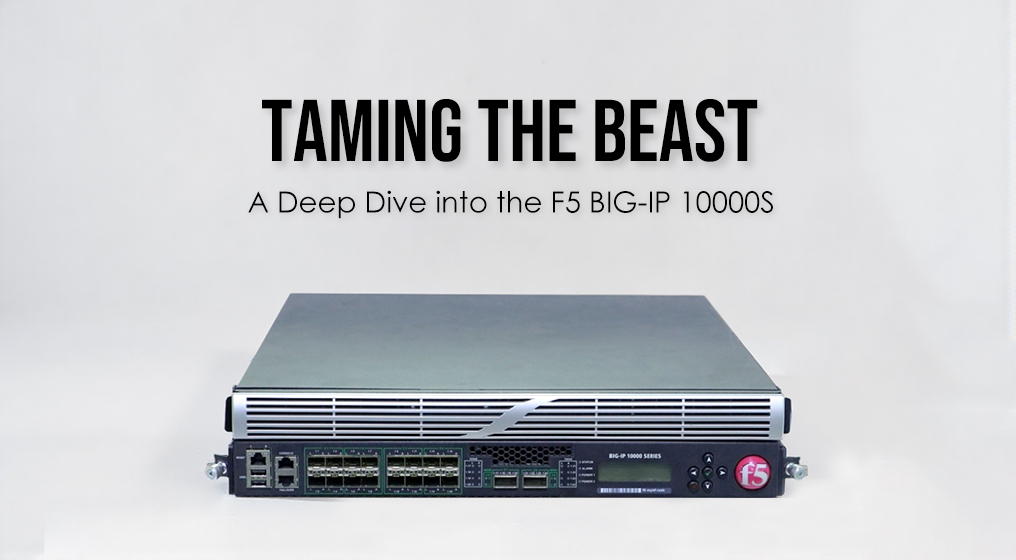
F5 BIG-IP 10000S steps onto the stage. This isn't just a piece of networking gear; it is a heavy-duty Application Delivery Controller (ADC) designed to sit in the core of a data center and act as the ultimate traffic cop. Its primary job is to ensure that user requests are intelligently distributed across servers, preventing any single node from collapsing under the weight of a digital stampede, while simultaneously handling complex security tasks like SSL offloading and DDoS mitigation.

When you first encounter the 10000S, the sheer physical presence is striking. This is not a lightweight appliance; it is a substantial 2U rack-mount chassis that demands respect and proper rack rail support. It exudes the kind of industrial build quality you expect from enterprise-grade silicon, designed to run 24/7/365 without a hiccup. Under the hood, it is powered by robust Intel Xeon processors, often paired with massive amounts of RAM—typically ranging from 32GB to 64GB depending on the specific sub-model—and plenty of enterprise-class storage. The interface options are equally serious, usually sporting a mix of 10Gb SFP+ and 40Gb QSFP+ fiber ports, ensuring that the network backbone never becomes a bottleneck. It is built for environments where "downtime" is a forbidden word.
The real magic, however, lies in the performance metrics. We are talking about a machine capable of handling massive Layer 4 throughput, often exceeding 200 Gbps, and sustaining millions of concurrent connections. For the SSL-heavy web applications of today, the 10000S shines by offloading the cryptographic heavy lifting from your backend servers. It can process tens of thousands of SSL transactions per second, effectively acting as a shield that decrypts traffic, inspects it for threats, and re-encrypts it for the server, all with negligible latency.
| Core Specification |
Detail |
| Processor |
Multi-core Intel Xeon (High Frequency) |
| Memory |
32GB - 64GB DDR4 ECC |
| Throughput (L4) |
Up to ~240 Gbps |
| SSL TPS (2K RSA) |
~120,000 - 150,000 TPS |
| Max Concurrent Connections |
~80 Million |
| Interfaces |
10Gb SFP+ / 40Gb QSFP+ |
Using the 10000S is an experience defined by the power of the TMOS operating system. It offers a level of granular control that is rare in the networking world. Through iRules, you can script custom logic to manipulate traffic on the fly—changing headers, redirecting users based on geolocation, or blocking specific attack vectors in real-time. The virtualization capabilities via vCMP are also a game-changer, allowing you to slice this single physical monster into multiple isolated virtual instances, effectively running different departments or customers on the same iron.
However, this power comes with a caveat regarding the ecosystem and lifecycle. While the 10000S integrates well with standard virtualization managers and cloud orchestration tools, it lives in a walled garden. You are buying into the F5 ecosystem, which means licensing costs can be steep, and upgrading major versions of the OS requires careful planning and maintenance windows. It is not a "plug-and-play" device for the faint of heart; it requires a skilled administrator who understands the nuances of traffic management.
Is it worth the investment? If you are running a massive e-commerce platform, a financial institution, or a high-traffic SaaS application, the answer is a resounding yes. The stability it brings to the table often outweighs the high entry price. It turns a chaotic network into an agile, responsive delivery infrastructure.
Pros:
- Unmatched stability and reliability for mission-critical apps.
- Massive throughput and SSL processing power.
- Highly programmable with iRules for custom traffic logic.
Cons:
- Significant learning curve for new administrators.
- High capital expenditure and ongoing licensing costs.
- Physical footprint and power consumption are substantial.